Holographic Label Guide: Materials, Types & Applications
Introduction
Pick up almost any premium product on a shelf and look closely at the pack. Chances are there is a small shiny label that changes colour as you tilt it. That is a holographic label, and it does two jobs at once: it makes a product look better, and it helps prove the product is genuine.
For a buyer, that small mark quietly says "this is original". For a brand, it is a way to stand out in a crowded market and to protect years of reputation from copy products. In this guide, we will break down what holographic labels are, how they are made, the different types available, and how to choose the right one for your product.
What Is a Holographic Label?
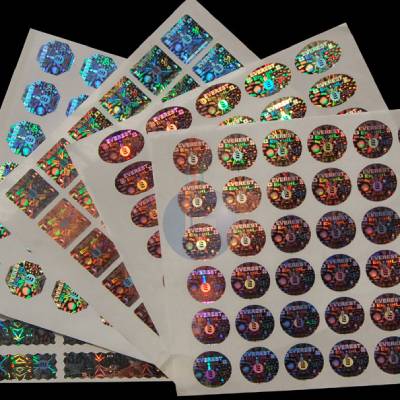
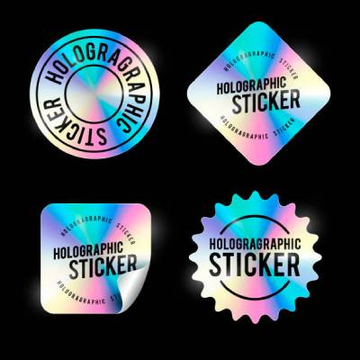
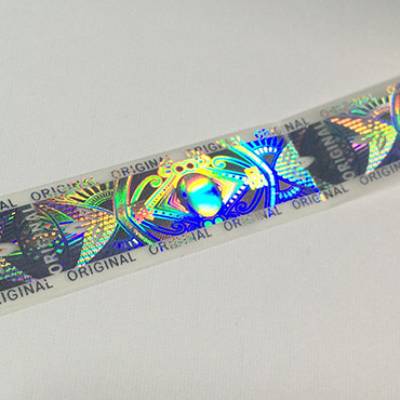
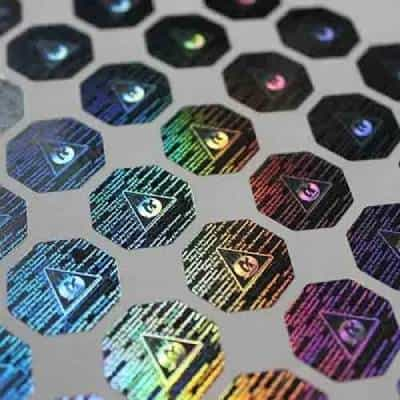
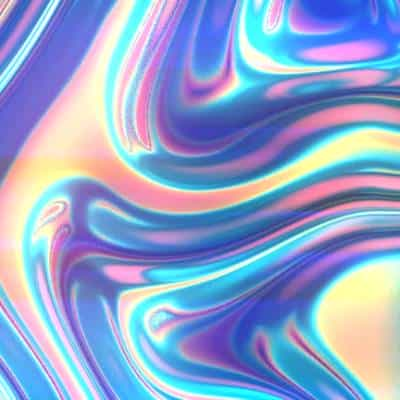
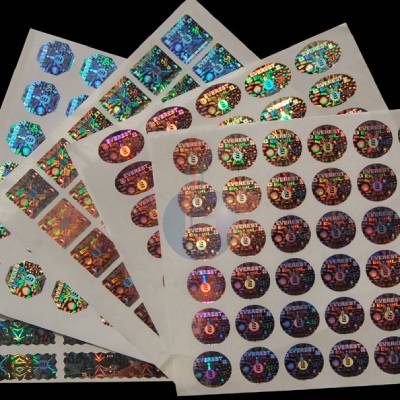
A holographic label is a label that carries a holographic image or pattern on its surface. Light falls on this pattern and bends in different directions, so you see rainbow shades, depth or a floating 3D effect that shifts with the viewing angle.
The effect comes from microscopic patterns embossed on a thin film, not from ink. That is the reason it is hard to copy with an ordinary printer or photocopier. You can print a rainbow-looking design on paper, but you cannot print the real light-bending structure.
Holographic labels are used in two broad ways. Some brands use them purely for looks, to give packaging a premium, eye-catching finish. Others use them as a security feature to protect products from duplication. Many labels do both, which is why they are now seen on everything from medicine boxes to cosmetic bottles.
In everyday trade, you will hear different names for the same thing: hologram label, holographic sticker, hologram sticker or security hologram. The exact meaning depends on whether the label is meant for decoration, protection or both.
How Is a Holographic Label Made?
The process is more technical than it looks, but it can be understood in a few simple stages.
Creating the Master Design
The design, logo or security pattern is first created digitally. It is then recorded on a special plate using laser technology. This plate becomes the master from which all copies are made, so its accuracy decides the quality of every label that follows.
Embossing the Pattern
The master pattern is converted into a metal shim and pressed onto a thin film, usually polyester (PET) or BOPP. This leaves the tiny diffraction pattern on the film surface. Thousands of copies can be produced from one shim, and each one carries the same sharp detail.
Metallising the Film
A very thin reflective layer is added over the embossed film. This layer is what makes the image bright and visible. Without it, the pattern would be faint and hard to see.
Printing and Finishing
The film can then be printed with colours, text, serial numbers or QR codes. A protective coating may be added to guard against scratches and moisture, and finally an adhesive layer is applied so the film becomes a sticker label.
Cutting and Converting
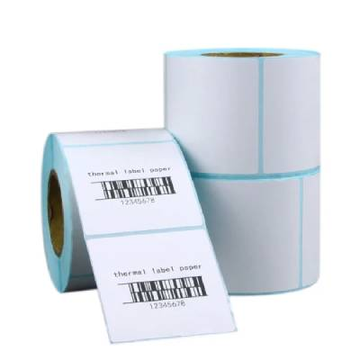
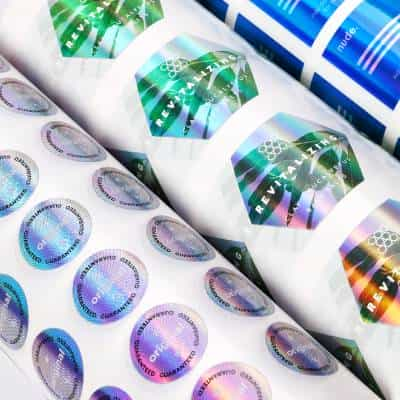
The finished material is cut into the required shape and size and supplied as rolls or sheets, ready for application. Round, square, rectangle and custom die-cut shapes are all possible.
Types of Holographic Labels
2D and 3D Holographic Labels
2D labels show flat images or patterns that shimmer as the angle changes. They are simple, economical and widely used for decoration. 3D labels create a sense of depth, so the image seems to float above or sink below the surface. 3D designs look more premium and are harder to imitate, which makes them a popular choice for brands that want both beauty and protection.
Security Holographic Labels
These carry features meant to prove authenticity, such as hidden images, micro text, unique serial numbers and special optical effects. A trained eye or a simple check can confirm whether the label is real. They are common on products where counterfeiting is a real risk, such as medicines, spare parts and branded goods.
Tamper Evident Labels
When someone tries to peel the label off, it breaks, leaves a mark or shows a hidden message such as "VOID". This tells the buyer that the pack has been opened or interfered with. They are often placed across the cap of a bottle or the opening of a box.
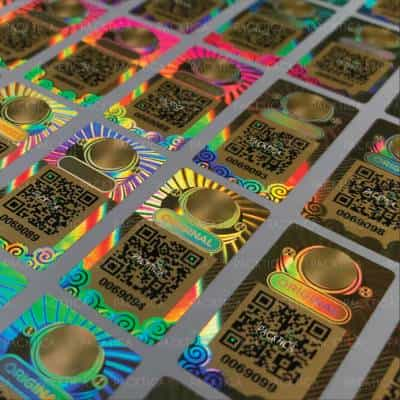
Holographic Labels with QR Code or Serial Number
A unique code printed on the label lets a customer scan and verify the product. It also helps brands track batches, check where a product was sold and spot suspicious duplicates. This type connects the physical label with a digital record.
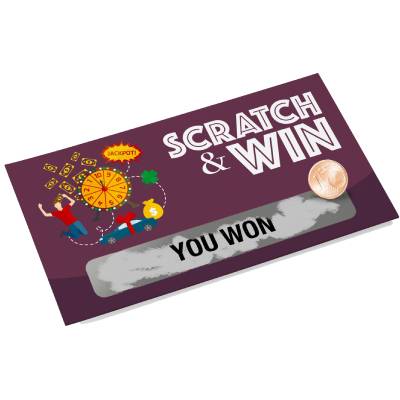
Scratch-Off Holographic Labels
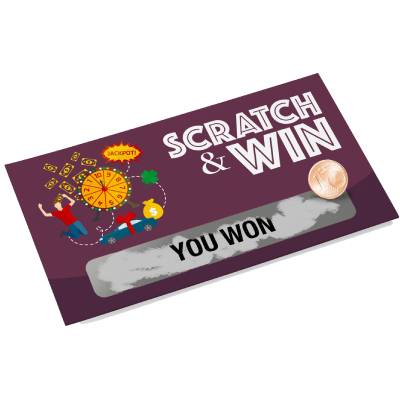
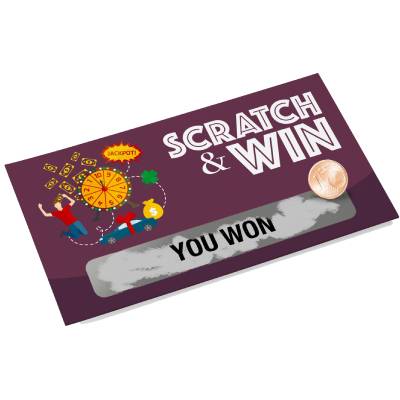
A scratchable layer hides a code underneath. These are used for product verification, loyalty offers and promotions. The customer scratches the layer, reveals the code and then checks it online or by message.
Holographic Shrink Sleeves and Hot Stamping Foils
Holographic effects are also applied through shrink sleeves and hot stamping foils on cartons and boxes, where a regular sticker would not suit the pack. A shrink sleeve wraps the full bottle, while hot stamping foil adds a shiny holographic patch directly on the carton surface.
Common Materials Used
Polyester (PET): strong, stable and resistant to heat and moisture. A popular choice for security labels, because it holds the embossed pattern well and does not stretch easily.
BOPP: flexible and moisture resistant, good for bottles, jars and flexible packs where the label needs to bend with the surface.
PVC: used where extra thickness or a card-like feel is wanted, such as cards, tags and certain stickers.
Paper with hologram: useful when a printed information area is needed alongside the hologram, for example ingredients, batch details or instructions.
The adhesive matters as much as the film. A permanent adhesive is chosen for strong bonding, while a destructible or tamper evident type is chosen when the label should not be moved without leaving a trace. The right adhesive also depends on the surface, whether it is glass, plastic, metal, paper or cardboard.
Holographic Label vs Normal Label
A normal printed label can be copied by almost any printing unit. A holographic label cannot be matched easily, because the effect lies in the film structure and not only in the print.
Normal labels give information. Holographic labels give information plus visual impact plus a layer of protection. The cost is a little higher, but the value to the brand is usually much greater, especially for products that people buy on trust.
Here is a quick side-by-side comparison:
| Feature |
Holographic Label |
Normal Label |
| Appearance |
Shiny, colour-shifting, often with 3D depth |
Flat printed look |
| Security |
High, difficult to copy or duplicate |
Low, easy to reproduce |
| Tamper detection |
Available through VOID and destructible options |
Usually not available |
| Traceability |
Serial numbers and QR codes can be added |
Limited, mostly printed codes |
| Shelf appeal |
Strong, grabs attention quickly |
Basic |
| Material |
PET, BOPP, PVC with embossed layer |
Paper, plain film or vinyl |
| Cost |
Slightly higher |
Lower |
| Best for |
Premium, branded and high-risk products |
General information and basic branding |
Where Are Holographic Labels Used?
Pharmaceuticals: to confirm the medicine is genuine and the pack is sealed.
Cosmetics and personal care: for a premium look and brand protection on bottles, jars and boxes.
Food and beverages: on bottles, caps, sweet boxes and gift packs.
Electronics and appliances: to guard against duplicate parts, chargers and accessories.
Automobile and spare parts: to separate original components from copies.
Packaging and gifting: for shine and shelf appeal on boxes and cartons.
Documents and certificates: for verification and tamper protection.
Benefits of Using Holographic Labels
Brand protection: makes counterfeiting difficult and costly, so fake products are less likely to reach the market.
Customer trust: a visible security mark gives buyers confidence that they are getting the original product.
Premium appearance: the shine and colour play lift the look of any pack, even a simple one.
Tamper detection: shows if a product has been opened, which matters for medicines, food and liquids.
Traceability: serial numbers and QR codes help track batches and verify products.
Durability: good films resist moisture, scratches and everyday handling, so the label stays clear for the life of the product.
How to Choose the Right Holographic Label
1. Decide the Purpose
Is it only for decoration, or for security too? This decides how advanced the design must be.
2. Match the Material to the Product
A bottle, a carton and a pouch need different films and adhesives.
3. Check the Surface
Glass, plastic, paper and metal each bond differently, and a wrong match can cause peeling.
4. Pick the Security Level
Add serial numbers, QR codes or tamper evident features if counterfeiting is a concern.
5. Plan the Size, Shape and Quantity
Custom shapes are possible, but ordering the right quantity keeps cost under control.
6. Ask for a Sample
Always test the label on your actual product before bulk production.
Care and Application Tips
Apply the label on a clean, dry and dust-free surface. Press it firmly so the adhesive makes full contact, and avoid touching the adhesive side with fingers. Store unused labels in a cool, dry place away from direct sunlight, since heat and moisture can affect the adhesive. If you use an applicator machine, run a small trial first to make sure the label feeds and sticks properly.
FAQs
1. What is a holographic label used for?
It is used to make packaging look premium and to protect products from duplication. Many labels serve both purposes, so brands get appearance and security from a single label.
2. Can a holographic label be copied?
Ordinary printing cannot reproduce the effect. Advanced security holograms with unique features such as micro text, hidden images and serial numbers are very difficult to duplicate.
3. Are holographic labels waterproof?
Labels made on polyester or BOPP film generally resist moisture well. The exact performance depends on the material, coating and adhesive, so it is best to confirm this for your product conditions.
4. Can I get a custom design?
Yes. Logos, patterns, text, serial numbers and QR codes can be added, and labels can be cut to different shapes and sizes.
5. What is the difference between a hologram label and a holographic label?
In everyday use, both terms mean the same thing. "Hologram label" is often used for security stickers, while "holographic label" is also used for decorative ones.
6. Do holographic labels come in rolls or sheets?
Both formats are available. Rolls suit machine application on larger runs, and sheets suit smaller or manual application.
7. Are holographic labels suitable for small businesses?
Yes. Even small brands use them to look more professional and to protect their name. The quantity and design can be adjusted to fit a smaller budget.
Conclusion
A holographic label is a small addition to the pack that does a lot of work. It catches the eye, builds trust and keeps your brand safer from copies. The best results come when the label is chosen for the product, the surface and the level of protection you actually need.
If you are planning holographic labels for your product, share your requirement with our team and get a suggestion that fits your pack and budget.